The act of remembering and honoring those who have passed is a fundamental human tradition, a thread woven through the fabric of every culture and civilization. From the earliest communal gatherings to today's highly personalized tributes, memorials have continuously evolved, reflecting societal values, technological advancements, and our changing understanding of grief and remembrance. Exploring this evolution reveals not just how we honor the dead, but also how we, as the living, seek connection and comfort.
Ancient Roots: Marking the Passage of Time
The earliest forms of memorials date back tens of thousands of years, long before written history. Primitive societies left behind cairns of stones, burial mounds, and megalithic structures like Stonehenge, which, while serving multiple purposes, certainly held significance related to ancestral reverence and cosmic alignment. These grand, enduring structures were often communal, speaking to a collective memory and a shared understanding of life's cycles. Ancient Egypt stands as a monumental testament to this era, with its pyramids and elaborate tombs designed to house and honor pharaohs and nobility for eternity, showcasing an unparalleled belief in the afterlife and the power of lasting monuments.
As civilizations progressed, so did the sophistication of their memorials. The Greeks and Romans developed ornate sarcophagi, intricate tomb markers, and public mausoleums, often adorned with sculptures and inscriptions that celebrated the individual's life and achievements. These memorials were not just for the deceased; they were statements for the living, reminders of lineage, virtue, and status.
Medieval to Modern: Cemeteries and Personal Tributes
The advent and spread of Christianity brought new traditions. Burial grounds often became associated with churches, creating churchyards that served as central points for remembrance within communities. Gravestones, initially simple and often unmarked, gradually became more common, bearing names, dates, and sometimes epitaphs. During the Medieval period, elaborate effigies and monumental brasses became popular for the wealthy, depicting the deceased in prayer or repose.
The Victorian era, with its strong emphasis on mourning and sentimentality, saw a significant boom in cemetery design and monument artistry. Large, ornate cemeteries, often designed as picturesque garden parks (like Père Lachaise in Paris or Mount Auburn in the U.S.), became popular destinations for contemplation and remembrance. Gravestones became more elaborate, featuring intricate carvings, symbolism (such as weeping willows, angels, or broken columns), and deeply personal inscriptions. This period solidified the tradition of a dedicated, permanent marker as a personal tribute.
Contemporary Trends: Innovation and Personalization
The 20th and 21st centuries have ushered in an era of unprecedented diversity in memorialization. While traditional headstones and cremation urns remain central, new trends reflect a desire for greater personalization, environmental consciousness, and creative expression.
Personalized Memorials
Today, families seek unique ways to reflect the individuality of their loved ones. This goes beyond names and dates, incorporating hobbies, passions, and unique stories into the design. Modern laser etching technology allows for photographs, intricate scenes, and even custom artwork to be rendered on stone. Materials have also expanded beyond traditional granite and marble to include bronze, glass, and even custom-designed art pieces. At Gaulden Monuments, our team works closely with families to craft memorials that truly capture the essence of a life lived, understanding that each story is unique.
Green Burials and Eco-Friendly Options
With increasing environmental awareness, green burial practices are gaining traction. These options focus on minimizing environmental impact, using biodegradable materials for caskets and shrouds, and foregoing embalming. Memorials in such settings often blend seamlessly with nature, such as natural stone markers, planted trees, or designated plots within conservation cemeteries. This approach emphasizes returning to the earth and contributing to the natural cycle.
Digital Memorials
Technology has opened up entirely new avenues https://taylored-lawns-tree-service.image-perth.org/customizing-with-color-granite-hues-for-your-memorial for remembrance. Online memorial pages, social media tributes, and digital archives allow families and friends to share memories, photos, and videos, creating a living, accessible legacy. Some modern monuments incorporate QR codes, linking directly to these online tributes, blending physical and digital remembrance.
Living Memorials
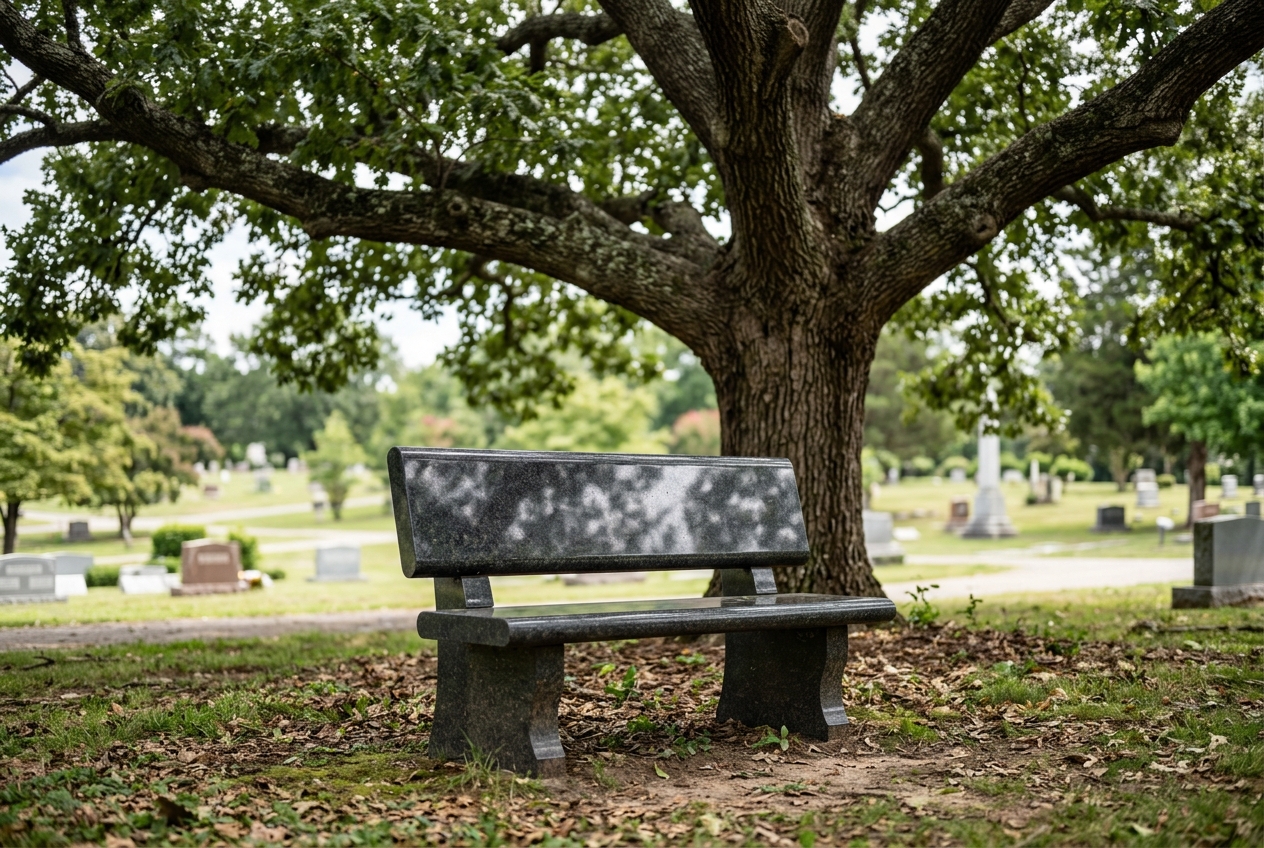
Beyond traditional markers, living memorials offer a dynamic way to honor a loved one. Planting a tree, establishing a memorial garden, or dedicating a park bench provides a lasting tribute that continues to grow and give back. These memorials offer comfort through their ongoing presence and connection to nature.
Community-Focused Remembrance
Public memorials, like statues, plaques, or commemorative parks, continue to play a vital role in collective remembrance, honoring historical figures or significant events. These serve as powerful reminders of shared heritage and sacrifice, fostering a sense of community and continuity.
The Enduring Need to Remember
From ancient stone circles to digital archives, the evolution of memorials highlights a timeless human need: to remember, to honor, and to find comfort in the legacy of those who have departed. While forms and fashions change, the underlying impulse to create a lasting tribute remains constant. Whether through timeless granite designs or more contemporary art pieces, Gaulden Monuments is dedicated to honoring every life with dignity, guiding families through the vast array of choices available today. The journey of memorialization continues, adapting to our world while forever serving its profound purpose: keeping memories alive.