Losing a tooth can impact more than just your smile's appearance; it can affect your ability to chew, speak clearly, and even influence the health of your remaining teeth and jawbone. For many, dental implants have emerged as a leading solution, offering a durable, natural-looking, and long-lasting replacement for missing teeth. But how do you know if this advanced restorative option is right for you? Understanding the criteria for dental implant candidacy is the first step towards reclaiming your smile and oral health.
Understanding Dental Implants: A Foundation for Your Smile
Before diving into candidacy, it's helpful to understand what dental implants are. A dental implant is essentially an artificial tooth root, typically made of titanium, that is surgically placed into your jawbone. Over time, this implant fuses with the bone in a process called osseointegration, providing a strong and stable foundation for a custom-made crown, bridge, or denture. Unlike traditional bridges that rely on adjacent teeth for support or dentures that can slip, implants offer unparalleled stability and function, feeling much like your natural teeth.
The benefits extend beyond aesthetics, contributing significantly to your overall oral health. Implants help preserve jawbone structure by preventing the bone loss that typically occurs after tooth extraction. They also don't require altering healthy adjacent teeth, as bridges do, making them a conservative choice for tooth replacement.
The Essential Checklist: Key Factors for Dental Implant Candidacy
While dental implants are suitable for a wide range of individuals, certain factors play a crucial role in determining successful placement and long-term success. Consider the following points to assess your potential candidacy:
1. Your Current Oral Health Status
Excellent oral health is paramount for successful dental implant placement. This means having healthy gums free from active periodontal (gum) disease. If you have gum disease, it must be treated and brought under control before implant surgery can be considered. Untreated gum disease can lead to implant failure, as the bacteria can infect the tissues around the implant, a condition known as peri-implantitis.
Similarly, any existing tooth decay or other oral infections should be addressed prior to implant treatment. A thorough dental examination, including X-rays, will be conducted by our team to ensure your mouth is healthy enough for the procedure.
2. Jawbone Density and Volume
The success of a dental implant relies heavily on its ability to integrate with your jawbone. Therefore, having sufficient bone density and volume in the area where the implant will be placed is critical. If a tooth has been missing for an extended period, or if you've experienced trauma or periodontal disease, you might have experienced some bone loss.
However, a lack of adequate bone doesn't automatically disqualify you. Modern dentistry offers solutions like bone grafting, where bone material is added to the jaw to encourage new bone growth. This https://telegra.ph/Understanding-Baby-Bottle-Tooth-Decay-and-How-to-Prevent-It-07-11-2 procedure can create the necessary foundation for successful implant placement, though it will extend the overall treatment timeline.
3. Overall Health and Medical History
Your general health plays a significant role in your body's ability to heal and integrate the implant. While there are few absolute contraindications, certain chronic conditions may require careful management and discussion with your dentist and physician. These include:
- Uncontrolled Diabetes: Can impair healing and increase infection risk. Heart Conditions: May require specific precautions or medication adjustments. Immunosuppressive Disorders: Can affect the body's ability to fight infection and heal. Smoking: Significantly increases the risk of implant failure and slows healing. Quitting or significantly reducing smoking is strongly recommended. Certain Medications: Some medications, like bisphosphonates (used for osteoporosis), can affect bone healing and may need to be considered.
It's crucial to provide a complete and accurate medical history during your consultation. Our team will work closely with you and your healthcare providers to ensure the safest and most effective treatment plan.
4. Commitment to Oral Hygiene and Aftercare
Just like natural teeth, dental implants require diligent oral hygiene to maintain their health and longevity. This includes regular brushing, flossing, and routine dental check-ups. While implants themselves cannot get cavities, the surrounding gums and bone are susceptible to disease if not properly cared for. A commitment to a meticulous oral hygiene routine is essential for the long-term success of your implants.
5. Realistic Expectations for Treatment
Having realistic expectations about the dental implant process and its outcomes is important. While highly successful, the process involves multiple stages and can take several months, including healing periods. Understanding the timeline, potential discomfort, and the importance of follow-up appointments will contribute to a positive experience and successful result.
6. Missing Teeth and Dental Needs
This might seem obvious, but the primary requirement is indeed having one or more missing teeth that you wish to replace. Dental implants can replace a single tooth, multiple teeth with an implant-supported bridge, or even an entire arch of teeth with implant-supported dentures.
What to Expect During Your Consultation at Piedmont Dental
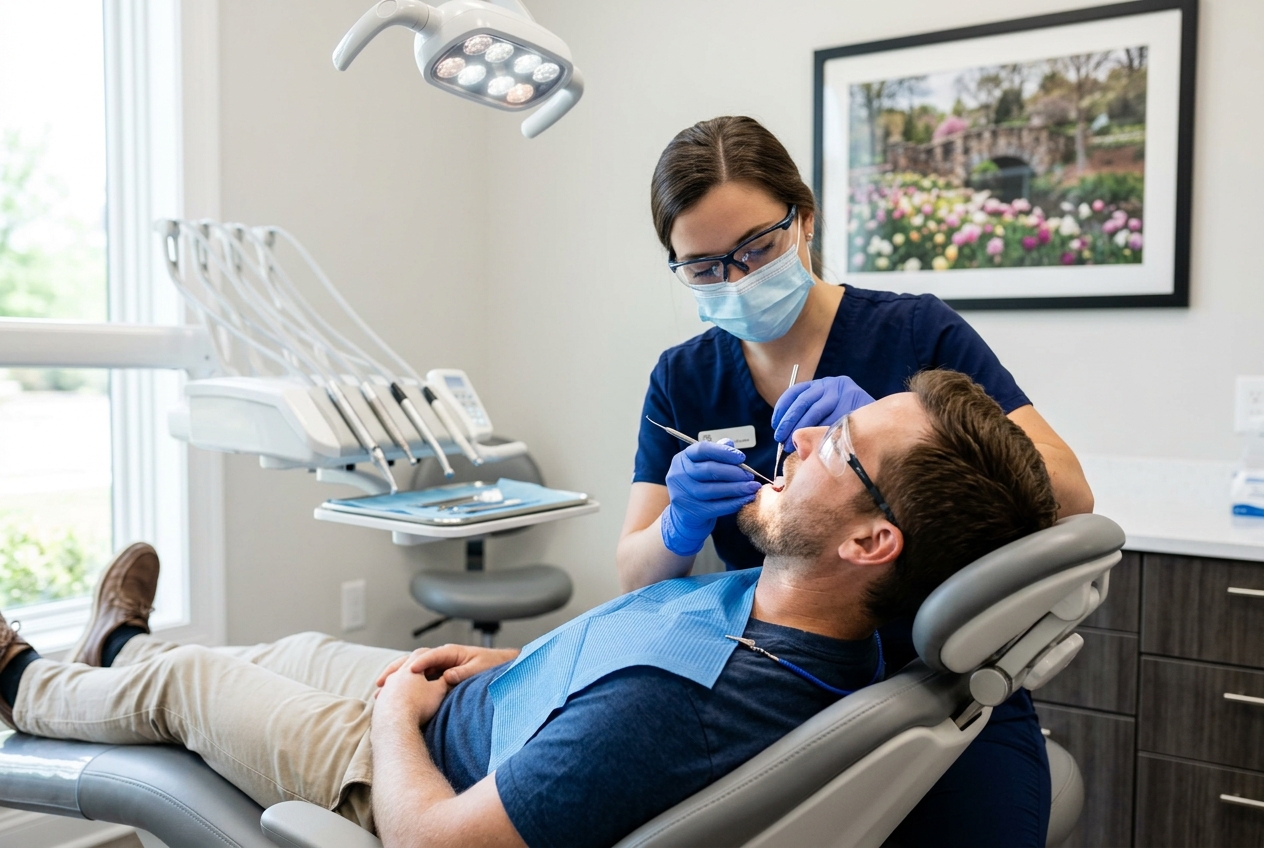
If you're considering dental implants, the best way to determine your candidacy is to schedule a comprehensive consultation. At Piedmont Dental, our experienced professionals will conduct a thorough examination, which typically includes:
- A review of your complete medical and dental history.A detailed oral examination, checking your teeth, gums, and existing restorations.Advanced imaging, such as X-rays or 3D CT scans, to assess your jawbone density and identify vital structures.A discussion of your aesthetic goals and functional needs.An explanation of the different implant options available and a personalized treatment plan, if you are a candidate.
Why Consider Dental Implants with Our Team?
Choosing the right dental practice for your implant procedure is a critical decision. Our team at Piedmont Dental is dedicated to providing personalized, high-quality care using state-of-the-art technology and techniques. We prioritize patient comfort and education, ensuring you understand every step of your treatment journey. We believe in creating lasting relationships with our patients, built on trust and a shared commitment to achieving optimal oral health and beautiful, functional smiles.
Taking the Next Step Towards a Restored Smile
Dental implants offer a life-changing opportunity to restore your smile, confidence, and ability to enjoy your favorite foods. While the idea of surgery might seem daunting, the long-term benefits of a stable, natural-feeling tooth replacement are significant. If you've reviewed this checklist and believe you might be a candidate, we encourage you to take the next step. Contact us today to schedule your consultation and explore how dental implants can transform your oral health and quality of life.